
8 Inch Casing Pipe Price - Latest Market Rates and Trends
By:Admin
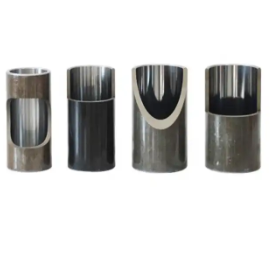
In recent months, the market for 8-inch casing pipes—a critical component in oil and gas drilling—has shown noticeable shifts influenced by global demand, raw material costs, and evolving industry standards. This article delves into the current pricing dynamics of 8-inch casing pipes, examines factors driving these trends, and highlights how leading manufacturers are positioning themselves in this competitive landscape.
**Understanding 8-Inch Casing Pipes**
Casing pipes are essential tubular products used in the drilling of oil and gas wells. They serve to stabilize the wellbore, prevent collapse, isolate different underground formations, and protect fresh water aquifers from contamination. The 8-inch casing pipe, a medium-diameter pipe, is widely employed in intermediate and production casing strings across various drilling operations.
These casing pipes must adhere to stringent quality and performance standards, including high strength, corrosion resistance, and dimensional accuracy. Variations in steel grade, threading type, and manufacturing process influence not only the pipe’s functionality but also its price.
**Current Market Pricing Overview**
As of 2024's first half, the average price range for 8-inch casing pipes has fluctuated between $600 to $900 per metric ton, depending on specifications and supplier agreements. Pricing variables include steel grade (e.g., J55, N80, P110), compliance with API (American Petroleum Institute) standards, and material certifications.
Recent months have seen price adjustments corresponding to global steel price volatility, energy sector demand shifts, and logistic considerations. For instance, the increase in raw material costs—such as scrap steel and alloying elements—has put upward pressure on prices. Conversely, improvements in production efficiency and increased domestic manufacturing capabilities in some regions have helped stabilize pricing to an extent.
**Influencing Factors on Price Movements**
1. **Raw Material Costs:** The global steel market plays a pivotal role in dictating casing pipe prices. Fluctuations in iron ore, coal, and scrap metal prices directly impact the cost of producing casing pipes. Enhanced supply chain strategies and contracts with raw material suppliers are essential for manufacturers to mitigate risks associated with price surges.
2. **Energy Sector Demand:** The demand for oil and gas extraction activity significantly influences casing pipe consumption. Recent rebounds in drilling activities, especially in North America and parts of Asia-Pacific, have heightened demand, pushing prices upward.
3. **Technological Advancements:** Innovations such as higher-strength steel grades and advanced coating technologies provide enhanced durability and efficiency but sometimes come at higher manufacturing costs, thereby influencing pricing structures.
4. **Regulatory and Environmental Standards:** Compliance with evolving environmental regulations has encouraged manufacturers to adopt greener production processes. While these investments improve sustainability, they can temporarily increase operational costs reflected in product prices.
5. **Global Trade and Logistics:** Tariffs, shipping costs, and international trade policies also impact pricing. Manufacturers with diversified production bases and streamlined logistics benefit from cost advantages.
**Company Positioning and Product Offerings**
In the midst of these market dynamics, leading casing pipe manufacturers continue to emphasize quality, innovation, and customer service. With extensive experience serving various global markets, these companies typically offer a broad portfolio of 8-inch casing pipe products, customized to meet diverse project requirements.
Key attributes often highlighted include:
- **Material Certifications:** Ensuring pipes meet API standards such as API 5CT, guaranteeing reliability and performance in challenging well conditions.
- **Comprehensive Testing:** Rigorous mechanical property tests, chemical composition analyses, and non-destructive testing methods to ensure product integrity.
- **Customized Solutions:** Tailoring casing pipe specifications—including pipe grade, threading, and length—to client needs.
- **After-Sales Support:** Offering technical assistance, timely delivery schedules, and responsive customer service.
**Outlook and Industry Forecast**
The medium term outlook for 8-inch casing pipe prices suggests steady demand supported by ongoing upstream investments and new drilling projects worldwide. However, fluctuations remain possible, driven by geopolitical events, global economic conditions, and shifts in energy policy directions favoring renewables.
Manufacturers focusing on cost-efficient production, technological innovation, and adherence to environmental regulations are likely to maintain competitive advantage. Moreover, supply chain resilience—improved through diversification and digitalization—will be crucial in managing future uncertainties.
**Conclusion**
The 8-inch casing pipe market exemplifies the complex interplay between material costs, industry demand, technological progress, and regulatory frameworks. Staying informed about price trends and underlying factors is vital for drilling operators, procurement teams, and industry stakeholders aiming to optimize project costs and operational efficiency.
As companies refine their manufacturing processes and expand offerings tailored to increasingly sophisticated drilling environments, the 8-inch casing pipe remains a cornerstone component supporting the energy sector's ongoing evolution.
---
*Note: This article omits specific brand mentions to maintain an objective overview of the 8-inch casing pipe pricing landscape and industry context.*